

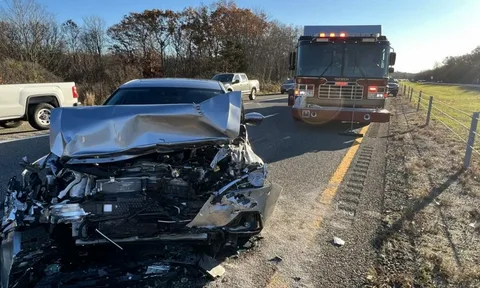
Every year in Texas, oilfield workers die or suffer life-altering injuries at a rate seven times higher than workers in other industries — and when that happens, the companies involved rarely make it easy to recover what you’re owed. According to the Bureau of Labor Statistics, oil and gas extraction workers face a fatality rate roughly seven times higher than the average for all US industries. Texas — home to the Permian Basin, the Eagle Ford Shale, and dozens of active drilling regions — consistently leads the nation in oilfield worker fatalities and serious injuries.
When an oilfield accident happens, injured workers and their families face two simultaneous battles. The first is physical — severe burns, traumatic brain injuries, crush injuries, and toxic exposures that demand immediate and long-term medical care. The second is legal — oil and gas companies have sophisticated legal teams, claims management operations, and every financial incentive to limit what they pay injured workers.
Texas oilfield injury law is unlike anything else in the country — and the difference can mean millions of dollars in your case — and in Texas, where most oilfield work occurs, it is unlike any other state in the country. An accident lawyer who specifically handles oil field injury cases understands this framework and gives injured workers the strongest possible position.
Why Texas Oilfield Injury Cases Are Uniquely Complex
If you or someone you love was hurt working on a Texas oilfield, the legal path forward is unlike any other personal injury case in America — and it starts with understanding exactly why.
Here’s something most injured Texas oilfield workers don’t realize until it’s too late: Texas is the only state that doesn’t require employers to carry workers’ compensation insurance. This single fact changes everything about oilfield injury claims in Texas. When an oilfield employer opts out of workers’ comp — which many do — injured workers can sue the employer directly for negligence in civil court. And critically, when a Texas employer opts out of workers’ comp, they lose the ability to argue that the worker’s own contributory negligence caused the accident. This makes Texas oilfield negligence claims potentially very powerful.
When the employer does carry workers’ comp, third-party claims may still be available. Even when workers’ comp applies, injured workers may have separate negligence claims against third parties — equipment manufacturers, contractors, subcontractors, and product suppliers — whose actions contributed to the accident. An oilfield accident lawyer identifies every third-party claim available alongside or in addition to workers’ comp.
Multiple defendants are almost always involved. Modern oilfield operations involve a complex web of operators, drilling contractors, well service companies, equipment rental companies, chemical suppliers, and transport contractors. When an accident occurs, liability may rest with any combination of these parties. An oilfield accident attorney investigates all of them from the beginning.
OSHA and BSEE regulations define the safety standards. The Occupational Safety and Health Administration sets mandatory safety standards for onshore oilfield operations. The Bureau of Safety and Environmental Enforcement governs offshore operations. Violations of these regulations create powerful evidence of negligence. An oilfield accidents lawyer reviews all available regulatory records for the facility and operator.
Common Types of Oilfield Accidents
An oilfield injury lawyer or oil field accident lawyer handles the full range of land-based oil and gas workplace accidents.
Blowouts and explosions occur when pressure control fails during drilling or completion operations. These catastrophic events produce severe burn injuries, traumatic injuries from blast force, and toxic chemical exposures. An oilfield blowout or explosion case involves the operator, the drilling contractor, the pressure control equipment manufacturer, and potentially the mud and chemical suppliers whose products were in the wellbore.
H2S hydrogen sulfide exposure is one of the most dangerous and most underreported hazards in oilfield work. H2S is a colorless, odorless gas at high concentrations that can incapacitate and kill within seconds. OSHA requires specific H2S monitoring and safety protocols at oilfield sites. Failure to provide adequate monitoring equipment, safety training, or emergency response creates direct employer liability. An oilfield injury attorney pursues H2S exposure claims under negligence and potentially product liability theories.
Chemical exposure injuries from drilling mud chemicals, completion fluids, hydrocarbon vapors, and refinery chemicals are a significant and frequently undercompensated category of oilfield injury. Long-term chemical exposure can cause respiratory disease, neurological damage, and cancer. An oilfield accident lawyer evaluates both acute and chronic chemical exposure claims.
Burn injuries from fires, flash fires, steam releases, and chemical burns are among the most severe and most common serious oilfield injuries. Treatment requires extended hospitalization, skin grafting, and long-term rehabilitation. An oil field injury attorney documents the full scope of burn injury damages including future medical needs and disfigurement.
Equipment and machinery accidents involving drawworks, drilling rigs, forklifts, cranes, pipe handling equipment, and pressure equipment. These cases involve both employer negligence and potential product liability claims against equipment manufacturers. An oil rig accident lawyer pursues both theories simultaneously.
Pipeline accidents involving ruptures, pressure failures, and maintenance incidents. Pipeline workers face specific hazards including high-pressure releases, fire, and toxic gas exposure. An oilfield accidents lawyer evaluates operator liability, regulatory compliance failures, and contractor negligence in pipeline accident cases.
Refinery accidents at Texas Gulf Coast refinery facilities involving process equipment failures, chemical releases, and maintenance incidents. Refinery cases involve complex process safety regulatory frameworks under OSHA’s Process Safety Management standard.
Struck-by and caught-between accidents involving heavy equipment, pipe, and vehicles on busy oilfield locations. These are among the most common fatal oilfield accident categories according to OSHA data.
Vehicle accidents on oilfield lease roads and public highways involving oilfield trucks, water trucks, sand haulers, and other commercial vehicles. These cases involve both employer/carrier FMCSA liability and potentially road condition liability.
Who Is Liable in an Oilfield Accident
Identifying every potentially liable party is the most critical task an oil field accident attorney performs in the early days of a case.
The operator — the company that holds the drilling or production lease — bears primary responsibility for overall site safety. Operators set the safety culture for the entire location and bear liability for negligent safety program failures.
The drilling contractor operates the drilling rig and employs the rig crews. Drilling contractors bear direct liability for rig-specific safety failures, crew training deficiencies, and equipment maintenance failures.
Well service contractors — including pressure pumping, wireline, cementing, and fishing tool companies — bear liability when their specific operations caused the accident.
Equipment manufacturers face product liability claims when defective equipment — blowout preventers, pressure control equipment, hoisting systems, safety valves — caused or contributed to the accident.
Chemical suppliers bear liability when their products were defective or improperly labeled, or when inadequate safety data sheets contributed to dangerous exposures.
Transport contractors bear liability when vehicle accidents on or near oilfield locations involved their drivers or equipment.
An oilfield accident law firm that handles these cases regularly investigates all of these parties simultaneously — not just the most obvious defendant — to maximize total recovery.
Texas Oilfield Worker Rights – The Key Legal Framework
A texas oilfield accident lawyer applies Texas’s unique legal framework to maximize recovery for injured oilfield workers.
Texas Workers’ Compensation Non-Subscription
Texas is the only state in the US where employers can legally opt out of workers’ compensation. Many oilfield employers and contractors choose non-subscriber status. When an oilfield employer is a non-subscriber:
The injured worker can sue the employer directly for negligence in civil court. The employer cannot raise the worker’s own contributory negligence as a defense — a massive advantage for injured workers. Full damages including pain and suffering are available — not the limited benefits of workers’ comp. Punitive damages may be available in cases of gross negligence.
An oilfield accident attorney determines immediately whether the employer is a workers’ comp subscriber or non-subscriber — because this determines the entire legal strategy.
When Workers’ Comp Applies — Third-Party Claims
When an oilfield employer does carry Texas workers’ compensation, the worker cannot sue the employer directly. However, third-party negligence claims against contractors, equipment manufacturers, and other non-employer defendants remain fully available and can produce full damages.
Texas Two-Year Statute of Limitations
Texas gives injured workers two years from the date of the accident to file a personal injury lawsuit under Texas Civil Practice and Remedies Code Section 16.003. For workers’ comp claims, different deadlines apply. Contact an oilfield injury lawyer immediately.
Texas Gross Negligence — Punitive Damages
Texas allows punitive (exemplary) damages when an employer’s conduct constitutes gross negligence — defined as an act or omission involving an extreme degree of risk, with the actor having actual awareness of that risk and proceeding anyway. Knowingly operating with defective safety equipment, ignoring documented H2S hazards, or falsifying safety records can support gross negligence claims.
OSHA Oilfield Safety Regulations — Evidence That Creates Liability
OSHA sets mandatory safety standards for onshore oilfield operations. Violations of these standards are powerful evidence of negligence in civil litigation.
29 CFR 1910.119 — Process Safety Management applies to facilities handling highly hazardous chemicals above threshold quantities. PSM violations involving inadequate process hazard analysis, mechanical integrity failures, and inadequate operating procedures are frequently at issue in refinery and large production facility accidents.
29 CFR 1910.1000 — Air Contaminants sets permissible exposure limits for oilfield chemicals including H2S, benzene, and other petroleum vapors. Documented exposures above OSHA PELs create direct regulatory liability.
OSHA 1926 Construction Standards apply to drilling rig construction and modification activities.
BLM and Texas Railroad Commission regulations govern specific oilfield operations on federal and state lands.
An oilfield accidents lawyer reviews all available OSHA inspection records, citations, and incident reports for the facility and operator to build the strongest possible regulatory evidence foundation.
Common Oilfield Accident Injuries
Severe burns from flash fires, explosions, and chemical releases. Burn injuries require extended hospitalization, multiple surgeries, and produce permanent disfigurement. Full compensation for burn injuries includes future medical care, reconstructive surgery, and significant non-economic damages.
Traumatic brain injuries from blast force, falls, and struck-by incidents. TBI from oilfield accidents can produce permanent cognitive, behavioral, and physical impairments.
Spinal cord injuries including fractures, disc herniations, and paralysis from falls from height, equipment failures, and vehicle accidents.
Crush injuries and amputations from heavy machinery, pipe, and vehicles.
Respiratory injuries from H2S, chemical vapors, and combustion products. Chronic respiratory disease from long-term oilfield chemical exposure is a significant and frequently undercompensated injury category.
Wrongful death — oilfield accidents produce a disproportionate share of workplace fatalities. Surviving family members have wrongful death and survival action claims under Texas law.
What Compensation Is Available After an Oilfield Accident
Economic damages cover all documented financial losses: emergency medical treatment and hospitalization, ongoing care including surgeries and rehabilitation, prescription medications and adaptive equipment, lost wages from time missed at work, loss of future earning capacity, and other accident-related expenses.
Non-economic damages cover pain and suffering, emotional distress and PTSD, loss of enjoyment of life, and permanent disfigurement from burns or other injuries.
Exemplary (punitive) damages when the employer’s conduct constitutes gross negligence under Texas law.
Wrongful death damages for surviving family members including lost financial support, funeral expenses, and loss of companionship.
Oilfield Accident Settlement Ranges
| Injury Severity | Typical Range |
| Moderate injuries with surgery | $300,000 to $1,000,000 |
| Serious — permanent partial disability | $1,000,000 to $3,000,000 |
| Burn injuries — significant scarring | $500,000 to $5,000,000 |
| Catastrophic — TBI, spinal, amputation | $3,000,000 to $10,000,000+ |
| Wrongful death | $2,000,000 to $15,000,000+ |
An oilfield accident lawyers team evaluates the specific compensation available based on the injury severity, employer’s workers’ comp status, and all available liable defendants.
Oilfield Accident Lawyers by Region
Houston oilfield accident lawyer / Oilfield accident lawyer houston: Houston is the administrative capital of the US oil and gas industry. Most major operators, drilling contractors, and oilfield service companies have headquarters or major offices in Houston. A houston oilfield accident lawyer handles claims for workers from Gulf Coast operations, Permian Basin, Eagle Ford, and across Texas. CPC for Houston oilfield cases exceeds $489 — reflecting enormous claim values.
Midland oilfield accident lawyer / Odessa oilfield accident lawyer: Midland-Odessa is the operational center of the Permian Basin — the most active onshore oil producing region in the world. A midland oilfield accident lawyer or odessa oilfield accident lawyer handles claims for Permian Basin workers under Texas law.
Texas oilfield accident lawyer: Texas produces more oil and gas than any other state and sees more oilfield accidents than any other state. A texas oilfield accident lawyer handles claims across all Texas producing regions — Permian Basin, Eagle Ford, Haynesville, Barnett, and the Gulf Coast.
San antonio oilfield accident lawyer: San Antonio serves as a hub for Eagle Ford Shale and South Texas oilfield operations. A san antonio oilfield accident lawyer handles claims for workers in the South Texas producing region.
Best oilfield accident lawyer in houston: For the most serious cases — catastrophic injuries, wrongful death, and large employer defendants — selecting the best oilfield accident lawyer in houston with specific oilfield experience and trial capability is essential.
What to Do After an Oilfield Accident
Report the accident immediately. Texas law and OSHA regulations require timely incident reporting. Document exactly what happened before leaving the site.
Get medical attention the same day. Even injuries that seem manageable may worsen significantly. A same-day medical record connects your injuries to the accident.
Do not sign anything presented by the employer or their insurance. Release documents and recorded statements in the immediate aftermath of an accident are designed to limit the company’s exposure — not to help you.
Preserve all evidence. Photographs of the accident scene, the equipment involved, and your injuries. Names and contact information of all witnesses.
Determine whether your employer is a workers’ comp subscriber or non-subscriber. This is the single most important legal question for your claim strategy. An oilfield accident law firm determines this immediately upon retention.
Contact an oilfield accident lawyer immediately. Evidence disappears, witnesses become unavailable, and employer legal teams begin building their defense from the moment the accident is reported.
Checklist After an Oilfield Accident
- Report the accident and document everything before leaving the site
- Get medical attention the same day
- Photograph the scene, equipment, and your injuries
- Get names and contacts of all witnesses
- Do not sign any release or recorded statement
- Determine your employer’s workers’ comp status
- Contact an oilfield accident lawyer immediately
Frequently Asked Questions
What if my employer does carry workers’ compensation?
Workers' comp limits direct claims against the employer, but third-party negligence claims against contractors, equipment manufacturers, and other non-employer defendants remain fully available. An oilfield injury lawyers team pursues all available third-party claims alongside workers' comp benefits.
What is gross negligence and can I get punitive damages?
Texas allows exemplary (punitive) damages when an employer's conduct involved an extreme degree of risk with actual awareness of that risk. Knowingly operating with defective safety equipment, ignoring documented H2S hazards, or falsifying records may support gross negligence claims. An oilfield accident lawyer evaluates punitive damage potential in every case.
How long do I have to file an oilfield injury claim in Texas?
Texas gives two years from the date of the accident for personal injury claims. Workers' comp claims have different and shorter deadlines. Contact an oilfield injury lawyer near me immediately to protect all your deadlines.
What if I was exposed to H2S or chemicals at an oilfield site?
Chemical exposure claims — including H2S, benzene, and drilling mud chemicals — are covered under negligence and potentially product liability theories. Chronic exposure claims may have different limitation periods. An oilfield accidents lawyer evaluates both acute incident and chronic exposure claims.
Can I sue if my family member was killed in an oilfield accident?
Yes. Texas law allows surviving family members to pursue wrongful death and survival action claims. These claims cover lost financial support, loss of companionship, funeral expenses, and the deceased worker's own pain and suffering before death. An oilfield accident attorneys team pursues all available wrongful death claims simultaneously.
What is the value of my oilfield injury claim?
Oilfield injury claims range from hundreds of thousands to tens of millions of dollars depending on injury severity, employer status, available defendants, and applicable law. An oilfield accident law firm evaluates your specific situation to provide a realistic assessment.
What if multiple contractors were involved in my accident?
Modern oilfield operations frequently involve multiple contractors on the same location simultaneously. An oil rig accident lawyer or oil rig injury lawyer investigates every contractor present and identifies all potentially liable parties to maximize total recovery.
How much does an oilfield accident lawyer cost?
Most oilfield accident lawyers and oilfield injury law firms handle these cases on contingency — no upfront fees and no payment unless the case results in compensation. The fee is typically 33% to 40% of the recovery. There is no cost to get a free consultation.
What if the accident happened on a lease road or public highway?
Vehicle accidents on oilfield lease roads and public highways involving oilfield trucks create liability for the employer, the transport contractor, and potentially the road owner. An oil field accident lawyer evaluates all potentially liable parties in oilfield vehicle accident cases.
Conclusion
Oilfield accidents put injured Texas workers up against some of the largest and most powerful corporate defendants in American law — major oil operators, international drilling contractors, and oilfield service giants with full-time legal teams. Texas’s unique workers’ compensation opt-out system, the complexity of multi-contractor oilfield operations, and the severity of oilfield injuries all require specific legal expertise that general personal injury attorneys typically do not have.
Whether you need an oilfield accident lawyer after a Permian Basin drilling accident, a houston oilfield accident lawyer for a Gulf Coast or Houston area claim, a midland oilfield accident lawyer or odessa oilfield accident lawyer for a Permian Basin injury, a texas oilfield accident lawyer for any Texas oil and gas workplace accident, a san antonio oilfield accident lawyer for a South Texas claim, an oil rig accident lawyer or oil rig injury lawyer for a drilling rig injury, an oil field accident lawyer for a production facility incident, or the best oilfield accident lawyer in houston for the most serious cases — experienced oilfield accident attorneys work on contingency and offer free consultations.
An oilfield injury law firm that regularly handles Texas oil and gas injury cases gives injured workers the specific regulatory knowledge, multi-defendant investigation capability, and trial experience needed to fight back against the industry’s most powerful corporate defendants.
Nothing in this article constitutes legal advice. Please consult a licensed personal injury attorney for guidance specific to your situation.