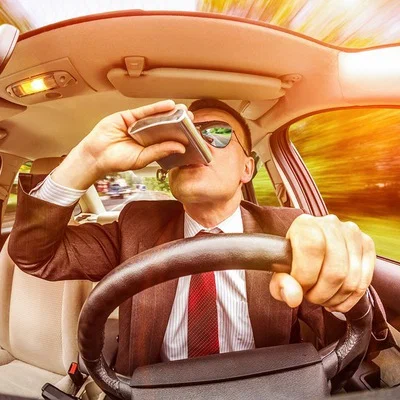
Being hit by a drunk driver is one of those experiences that changes everything. One moment you are going about your day. The next, you are dealing with injuries, medical bills, insurance calls, and questions you have no idea how to answer. It is overwhelming. And unlike most car accidents, a drunk driving crash involves a layer of legal complexity that most people are not prepared for.
This guide is written to help you understand what a drunk driving accident lawyer does, how the civil claims process works, what compensation may be available, and why these cases are different from standard car accident claims.
One important note before we go any further: this article is for general informational purposes only. It is not legal advice. Laws vary significantly from state to state, and anyone who has been seriously injured in a drunk driving accident should speak with a licensed attorney as soon as possible.
The Criminal Case Is Not Enough
This is probably the most important thing to understand first. When a drunk driver causes an accident, two separate legal processes begin. One is criminal. The other is civil. They are completely independent of each other.
The criminal case is prosecuted by the state. If the driver is convicted, they may face fines, jail time, license suspension, and other penalties. But that criminal case does not put money in your pocket. It does not pay your medical bills. It does not compensate you for lost income or the pain you have been through.
That is what the civil claim is for. And that is where a drunk driving accident lawyer comes in.
What a Drunk Driving Accident Lawyer Actually Does
A drunk driving accident attorney handles the civil side of what happened to you. Their job is to build a claim against the at-fault driver and any other parties who may share responsibility, and to pursue the maximum compensation available.
That starts with investigation. Your attorney will obtain the police report, which in drunk driving cases often includes the driver’s blood alcohol content results, field sobriety test information, and the arresting officer’s observations. A BAC above the legal limit of 0.08 percent is powerful evidence in a civil case. So is a prior DUI conviction, if the driver has one.
Beyond the police report, the attorney gathers medical records, photographs, witness statements, and any surveillance or dashcam footage that captured the crash. In some cases, they work with accident reconstruction experts to establish exactly how the collision happened.
The attorney then handles all communication with insurance companies. This matters more than most people realize. Insurance adjusters are experienced at finding ways to minimize payouts, and they will start working on that from the moment the claim is filed. Having legal representation changes that dynamic significantly.
Most drunk driver accident lawyers work on contingency, meaning no upfront cost. They only collect a fee if compensation is recovered.
Why Drunk Driving Accident Cases Are Different
Drunk driving cases differ from standard car accident claims in several important ways, and those differences generally work in the victim’s favor.
First, liability is often clearer. In a typical car accident, both sides may dispute who caused the crash. When a driver was legally intoxicated, a police report documenting that impairment, combined with a BAC result, creates strong evidence of negligence. It does not automatically prove fault for the specific collision, but it significantly strengthens the victim’s position.
Second, additional sources of compensation may be available. Dram shop laws exist in most states, and they allow injured parties to pursue claims against bars, restaurants, or other establishments that served alcohol to a visibly intoxicated person who then caused a crash. These claims require proving that the establishment knew or should have known the patron was intoxicated when they served them, which is not always easy, but it opens a meaningful additional avenue for recovery when the at-fault driver’s insurance is insufficient.
Third, punitive damages may be available. In most personal injury cases, the goal is to compensate the victim for what they lost. Punitive damages go further. They are designed to punish particularly reckless conduct. Driving while intoxicated is generally considered gross negligence, and many states allow juries to award punitive damages in drunk driving cases. These come directly from the driver’s personal assets, not their insurance policy, because most insurance policies do not cover punitive damages.
Who Can Be Held Liable in a Drunk Driving Accident?
The intoxicated driver is the obvious defendant. But drunk driving accident claims sometimes involve additional parties.
The bar or restaurant that served the driver may be liable under dram shop laws. Most states have some version of these laws, though the specific rules vary. Some require proving the establishment served someone who was already visibly drunk. Others apply specifically when a minor was served. A drunk driving accident attorney who knows your state’s dram shop rules can evaluate whether this avenue is worth pursuing.
A social host may be liable in some states if they knowingly provided alcohol to a minor who later caused a crash. Social host liability is generally narrower than dram shop liability, but it exists in certain jurisdictions.
An employer may be liable if the drunk driver was operating a company vehicle or was driving for work-related purposes at the time of the crash. In those cases, the employer’s commercial insurance may be available in addition to the driver’s personal policy.
What to Do After Being Hit by a Drunk Driver
The steps you take in the hours after a drunk driving crash can affect your legal claim significantly.
Call 911 immediately. Make sure police respond to the scene. This is especially important when you suspect the other driver is impaired. Officers will conduct sobriety tests, document their observations, and the results become part of the official record.
Get medical attention as soon as possible, even if you think your injuries are minor. Adrenaline can mask pain. Internal injuries and head trauma can take hours to fully present symptoms. A medical record from the day of the crash is also critical documentation for your claim.
Document the scene if you are physically able. Photos of both vehicles, road conditions, your injuries, and any relevant signage or signals are all valuable.
Get the other driver’s information, including their name, insurance details, and license plate.
Do not give a recorded statement to the other driver’s insurance company before speaking to a drunk driving accident attorney. Adjusters are trained to ask questions in ways that limit the value of a claim. A single poorly worded answer can cause real damage.
Contact a lawyer as soon as possible. Evidence disappears. Witnesses become harder to find. And in cases involving government entities or dram shop claims, some notice deadlines are very short.
How the Civil Claims Process Works
Most drunk driving injury cases follow a similar path, though timelines vary depending on the severity of injuries and whether multiple parties are involved.
It starts with a free consultation. You describe what happened, the attorney evaluates the claim, and both sides decide whether to proceed.
Investigation follows immediately. The attorney secures all available evidence, identifies every potentially liable party, and begins building the case. In drunk driving cases, a criminal conviction of the at-fault driver, if one occurs, can strengthen the civil claim.
Once medical treatment has progressed enough to calculate full damages, the attorney sends a formal demand to the insurance carrier. Negotiations begin. Most cases settle during this phase.
If a fair settlement is not offered, the attorney files a lawsuit. Many cases still settle during litigation. Trial is a last resort, but an experienced drunk driving car accident attorney prepares for it regardless.
What Compensation May Be Available
The specific types of compensation available depend on your state and the facts of your case. Generally speaking, victims of drunk driving accidents may be able to pursue the following.
| Type of Compensation | What It Covers |
| Medical Expenses | Emergency care, hospitalization, surgery, rehabilitation, and ongoing treatment |
| Future Medical Costs | Long-term care for serious or permanent injuries |
| Lost Wages | Income missed during recovery |
| Loss of Earning Capacity | If injuries affect the ability to return to the same work |
| Pain and Suffering | Physical pain caused by the accident and injuries |
| Emotional Distress | PTSD, anxiety, depression, and other psychological effects |
| Property Damage | Vehicle repair or replacement |
| Punitive Damages | Available in many states due to the reckless nature of drunk driving |
| Wrongful Death | For families who lost someone in a fatal drunk driving crash |
The availability of punitive damages is one of the most significant differences between drunk driving cases and standard car accident claims. Not all states allow them, and the rules for proving entitlement vary, but they can meaningfully increase the value of a claim when available.
Dram Shop Laws Across the United States
Most US states have some version of dram shop law, though they vary significantly in how broadly or narrowly they apply. Understanding the basics is helpful for anyone involved in a drunk driving crash where the driver may have been served at a bar or restaurant before the accident.
In states with broad dram shop laws, an establishment can face liability simply for serving a visibly intoxicated person who later causes harm. In states with narrower laws, liability may apply only when a minor was served, or only under specific circumstances. A handful of states have very limited or no dram shop liability.
The investigation required to pursue a dram shop claim is different from a standard car accident investigation. It typically involves obtaining records of the driver’s purchases at the establishment, interviewing witnesses who were present, and sometimes working with experts who can reconstruct the driver’s level of intoxication at the time they were served.
These claims are worth exploring in any drunk driving case where the driver’s insurance limits are insufficient to cover the victim’s damages.
DUI, DWI, and BAC: What the Legal Terms Mean
People often encounter these terms when dealing with a drunk driving accident and are unsure what they mean.
DUI stands for Driving Under the Influence. DWI stands for Driving While Intoxicated or Driving While Impaired, depending on the state. Different states use different terminology, but both refer to operating a vehicle while impaired by alcohol or other substances.
The legal BAC limit for most adult drivers in the United States is 0.08 percent. For commercial drivers, the limit is 0.04 percent. For drivers under 21, most states have zero-tolerance policies, meaning any measurable alcohol level is illegal.
A BAC result above the legal limit does not automatically prove that the driver caused the accident. In a civil case, the victim must still prove that the impairment contributed to the crash. But a high BAC is powerful evidence of negligence, and it significantly strengthens the victim’s position in negotiations and in court.
Drunk Driving Statistics in the United States
Drunk driving remains one of the most preventable causes of serious injury and death on American roads.
According to the National Highway Traffic Safety Administration, drunk driving crashes killed approximately 13,524 people in the United States in 2022. That represents about 32 percent of all traffic fatalities that year. The number has remained stubbornly high despite decades of public awareness efforts and stricter enforcement.
Texas, California, and Florida consistently rank among the states with the highest numbers of drunk driving fatalities. Cities like Houston, Atlanta, and Las Vegas see significant volumes of drunk driving crash cases each year. Las Vegas in particular has long been one of the most dangerous cities for impaired driving incidents given the volume of late-night activity and alcohol availability.
Nighttime hours between midnight and 3 a.m. account for a disproportionate share of drunk driving fatalities. Weekends see higher rates than weekdays. Holidays, particularly around New Year’s Eve, Fourth of July, and Labor Day, are consistently among the most dangerous periods on American roads.
Drunk Driving Laws Vary by State
While federal guidelines and the 0.08 BAC threshold apply broadly, specific laws governing drunk driving liability, dram shop claims, punitive damages, and filing deadlines vary significantly from state to state.
Filing deadlines for civil claims, known as statutes of limitations, are generally two to three years in most states. However, when a government vehicle is involved or when dram shop claims are being pursued, additional notice requirements may apply with much shorter windows.
| State | Civil Filing Deadline |
| California | 2 years from accident date |
| Texas | 2 years from accident date |
| Florida | 2 years from accident date |
| Georgia | 2 years from accident date |
| Nevada | 2 years from accident date |
| New York | 3 years from accident date |
| Washington | 3 years from accident date |
Some states allow punitive damages in drunk driving cases. Others do not. Some have broad dram shop liability. Others have narrow or no such laws. These variations make it especially important to work with an attorney who knows the specific rules in your state.
What to Look for When Choosing a Drunk Driving Accident Lawyer
Not all personal injury attorneys have the same level of experience with drunk driving cases specifically. These cases involve unique elements, including dram shop investigations, punitive damage arguments, and the interplay between civil and criminal proceedings, that require specific knowledge.
Look for an attorney who handles drunk driving accident cases regularly, not just as an occasional subset of general car accident work. Ask whether they have experience with dram shop claims in your state.
A free consultation and contingency fee structure are standard. Use the initial meeting to assess how clearly the attorney communicates and whether they seem genuinely focused on the specifics of your situation.
Whether you need a Houston drunk driving accident lawyer, an Atlanta drunk driving accident lawyer, a Las Vegas drunk driving accident lawyer, or representation anywhere else in the country, finding someone with specific experience in drunk driving cases gives you the best chance of a fair outcome.
Frequently Asked Questions
Is a drunk driver always at fault for an accident?
Not automatically. Drunk driving is strong evidence of negligence, but in a civil claim, the victim still needs to prove that the driver's impairment actually contributed to causing the specific crash. In most cases involving an impaired driver, this is not difficult to establish. But it is a necessary element of the claim, and it is something your attorney will work to prove with available evidence.
Can I sue the bar that served the drunk driver?
In many states, yes. Dram shop laws allow injured parties to pursue claims against bars, restaurants, and other establishments that served alcohol to a visibly intoxicated person who later caused a crash. The rules vary by state, and proving a dram shop claim requires a separate investigation, but it is worth exploring in any case where the driver's insurance coverage may be insufficient.
What are punitive damages and can I get them?
Punitive damages are a form of compensation designed to punish particularly reckless conduct rather than simply compensate the victim. Because drunk driving is generally considered gross negligence, many states allow punitive damages in drunk driving cases. Not all states allow them, and the rules for proving entitlement vary. A drunk driving accident attorney in your state can tell you whether they apply to your situation.
What if the drunk driver has no insurance or minimal coverage?
You may still have options. Your own uninsured or underinsured motorist coverage can often cover damages when the at-fault driver's insurance is insufficient. If the driver was served at an establishment, a dram shop claim may provide another source of recovery. If the driver was using a company vehicle, the employer's commercial insurance may apply. A drunk driving accident attorney will identify all available sources of compensation.
How long do I have to file a drunk driving accident claim?
In most states, the civil statute of limitations for personal injury claims is two to three years from the date of the accident. However, some states have shorter notice requirements for specific types of claims, and dram shop claims may have their own timelines. Contacting a drunk driving injury lawyer as soon as possible after the accident is the safest approach to ensure no deadlines are missed.
How much is a drunk driving accident case worth?
It depends on the severity of injuries, the cost of medical treatment, lost income, pain and suffering, and whether punitive damages are available. Drunk driving cases often result in higher settlements than standard car accident cases because of the reckless nature of the conduct and the potential for punitive damages. An attorney can give you a realistic assessment after reviewing the facts of your situation.
How do I find a drunk driving accident attorney near me?
Look specifically for attorneys who handle drunk driving accident cases and have experience with dram shop claims and punitive damage arguments in your state. Check reviews and bar standing. Use the free consultation to assess communication and whether the attorney understands the unique aspects of drunk driving cases. Whether you need a drunk driver accident lawyer in a major city or a smaller market, that initial conversation will tell you a great deal
Important Information About This Article
Everything written here is for general informational and educational purposes only. Nothing in this article constitutes legal advice, and reading it does not create any kind of attorney-client relationship. Drunk driving accident laws differ significantly from state to state, and the right course of action in any specific situation depends on facts that only a licensed attorney can properly evaluate. If you or someone you know has been injured in a drunk driving accident, speaking with a qualified attorney as soon as possible is strongly recommended.
The information provided on this page is for general educational and informational purposes only and should not be interpreted as legal advice. Accidents Lawyer is not a law firm and does not provide legal services, attorney representation, or legal consultation. Reading this page does not create an attorney-client relationship. For legal advice regarding your specific situation, please consult a licensed attorney in your jurisdiction.
 Robert M. Collins