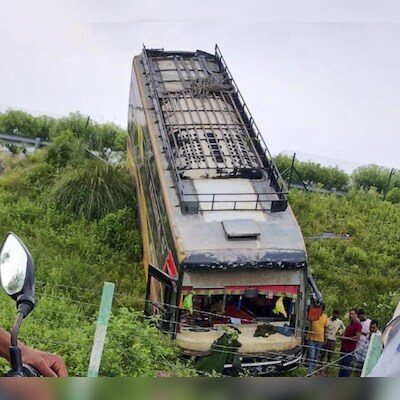
Bus accidents are different from typical car crashes in ways that most people do not fully appreciate until they are dealing with the aftermath. The vehicles are massive. The injuries tend to be serious. And the legal side of things is often more complicated, because there are frequently multiple parties who could share responsibility for what happened.
Whether you were a passenger on a city transit bus, a student on a school bus, or someone whose car was struck by a bus, understanding your rights starts with understanding how these cases actually work. This guide is written to walk you through the basics in plain language, without any legal jargon.
Before going further: everything here is general information only and does not constitute legal advice. Bus accident laws vary by state, and your specific situation will depend on details that only a licensed attorney in your area can properly evaluate.
What Does a Bus Accident Lawyer Actually Do?
When people think about hiring an attorney after an accident, they usually imagine someone who files paperwork. That is a small part of the picture. A bus accident attorney does far more than that, especially in cases involving large transit companies or government-owned fleets.
From the moment they take a case, a bus accident lawyer works to preserve evidence before it disappears. Bus companies and their insurers move fast to protect themselves. Onboard security footage is often deleted within 30 days unless a legal preservation notice is sent. Maintenance records, driver logs, and dispatch communications can all be critical, and they tend to disappear unless someone acts quickly to secure them.
Beyond evidence, a bus accident attorney handles every conversation with insurance companies, calculates the full value of your damages including future treatment costs, negotiates with insurers, and takes the case to court if a fair settlement is not offered. Most bus accident law firms handle these cases on a contingency basis, meaning you pay nothing unless compensation is recovered.
Why Bus Accident Cases Are More Complex Than Car Accidents
Most people assume a bus accident claim works just like a car accident claim. It generally does not, and the differences matter.
First, buses often involve government entities. City transit buses, school buses, and public transportation systems are usually owned and operated by state or local governments. Claims against government entities come with special procedures and much shorter filing deadlines than claims against private parties. In some states, you may have as little as 90 days to file a formal notice of claim before losing your right to sue entirely.
Second, the potential defendants are different. In a car accident, you are typically dealing with one driver and one insurance company. In a bus accident, liability can fall on the bus driver, the bus company or transit authority, a third-party driver who caused the crash, a vehicle manufacturer if a mechanical defect was involved, or even a government agency responsible for road maintenance.
Third, the injuries tend to be severe. Buses carry many passengers, most of whom have no seatbelt or airbag protection. A single crash can injure dozens of people, and the injuries are often serious.
A lawyer bus accident specialist understands these dynamics. They know which deadlines apply, how to identify all potentially liable parties, and how to build a case against opponents who have large legal teams of their own.
Common Types of Bus Accidents in the United States
Not all bus accidents are the same. Understanding what type of bus was involved is important because it affects who can be held liable and what legal process applies.
City and Transit Buses
Public transit buses operated by city or county agencies are among the most common. Because these are government vehicles, special claim procedures apply in most states. Passengers, pedestrians, and other drivers can all be injured when transit buses crash.
School Bus Accidents
School bus accidents are a specific category that involves additional legal considerations. School districts, private bus contractors, and local governments may all be involved depending on who owns and operates the bus. A school bus accident lawyer handles these cases differently than a standard bus crash because the victims are often children and the liable parties are often government entities.
Charter and Tour Buses
Private charter companies and tour operators run buses across the country. These cases typically do not involve government entities, which means standard civil litigation procedures apply. However, charter bus companies often carry large insurance policies, and the litigation can be complex.
Greyhound and Intercity Buses
Long-distance bus travel across state lines introduces federal regulations into the picture. The Federal Motor Carrier Safety Administration sets rules for commercial bus operators, and violations of those rules can be evidence of negligence.
Shuttle and Rideshare Buses
Airport shuttles, hotel shuttles, and shared ride services that use buses or vans fall into their own category. Liability depends on whether the driver was employed by the company or was an independent contractor, among other factors.
Who Can Be Held Liable in a Bus Accident?
This is one of the most important questions in any bus crash case, and the answer is often more than one party.
| Potentially Liable Party | Why They May Be Responsible |
| Bus Driver | Distracted driving, fatigue, speeding, driving under the influence, or other negligent behavior |
| Bus Company or Transit Authority | Negligent hiring, inadequate training, failure to maintain vehicles, or ignoring safety violations |
| Government Entity | If a publicly owned bus is involved, the agency operating it can face liability |
| Third-Party Driver | Another motorist who caused the crash by hitting the bus or creating a hazardous situation |
| Vehicle Manufacturer | If a defective part such as faulty brakes or a malfunctioning door contributed to the accident |
| Road Maintenance Agency | If poor road conditions, missing signage, or inadequate infrastructure played a role |
Identifying all potentially liable parties is one of the key reasons why working with a bus injury lawyer from the start matters. Missing a defendant can mean leaving significant compensation on the table.
Most Common Causes of Bus Crashes
Bus accidents rarely happen without a cause rooted in someone’s negligence. Here are the factors that come up most frequently in these cases.
Driver fatigue is a significant issue in the bus industry. Operators often work long shifts, and hours-of-service violations are not uncommon. A fatigued driver has slower reaction times and impaired judgment, which on a vehicle carrying dozens of passengers can be catastrophic.
Distracted driving affects bus drivers just as it affects anyone behind the wheel. Looking at a phone, adjusting mirrors, or interacting with passengers while navigating traffic can cause a driver to miss a stop sign or fail to brake in time.
Poor vehicle maintenance is another major factor. Buses are large vehicles that require regular inspection and upkeep. Brake failures, tire blowouts, and malfunctioning safety systems have all contributed to serious bus crashes across the United States.
Speeding and reckless driving, third-party drivers cutting off buses, and road hazards round out the most common causes. In many cases, more than one factor plays a role.
Injuries Commonly Seen in Bus Accident Cases
Because most buses offer passengers little structural protection compared to a private vehicle, the injuries in these crashes can be severe.
Traumatic brain injuries occur when passengers are thrown against seats, windows, or the floor during a crash. The force involved in a bus collision, even at moderate speeds, is significant. Spinal cord injuries and neck trauma are also common, as are broken bones, lacerations, and internal organ damage.
Soft tissue injuries, though sometimes dismissed as minor, can cause chronic pain and limit a person’s ability to work for months. Emotional and psychological harm, including PTSD and anxiety following a traumatic crash, is real and legally compensable in most states.
Children involved in school bus accidents face their own set of concerns. Because their bodies are still developing, injuries that might be manageable for an adult can have long-term consequences for a child.
What to Do After a Bus Accident
The decisions made in the hours after a bus crash can have a lasting impact on any future legal claim. Here is a practical guide.
Get medical attention right away. This is the most important step, even if you feel okay. Adrenaline can mask pain, and some serious injuries including internal bleeding and concussions do not present obvious symptoms immediately. A medical record from the day of the accident is also a critical piece of evidence.
Call the police and make sure a report is filed. Get the report number. If the bus has a number or route identifier, photograph it. Get the driver’s information and the name of the bus company or transit authority.
Take photographs of everything you can. The accident scene, any visible injuries, the bus, road conditions, and any nearby surveillance cameras that may have captured the crash.
Talk to witnesses before they leave. A few contact details from bystanders can make a significant difference later.
Do not give any statement to the bus company’s insurance carrier without speaking to an attorney first. Insurance adjusters are trained to ask questions that can be used to minimize your claim, even when they seem helpful.
Contact a bus accident attorney as soon as possible. Evidence disappears quickly in bus cases, and some filing deadlines are extremely short.
How Does the Claims Process Work?
Walking through this helps take some of the mystery out of what can feel like an overwhelming process.
Most bus accident attorneys offer a free consultation to start. You describe what happened, they evaluate the potential claim, and you both decide whether to move forward. There is no cost and no obligation.
The investigation phase follows immediately. Your legal team works to preserve evidence, gather documents, interview witnesses, and consult with experts if needed. In cases involving government buses, legal notices are sent right away to meet any applicable deadlines.
Once the picture is clear, the attorney calculates the full value of your damages. This includes current and future medical costs, lost income, reduced earning capacity, pain and suffering, and emotional distress. Getting this number right is one of the most important parts of the case.
A formal demand is sent to the at-fault party’s insurer. Negotiations begin. Many bus accident cases settle during this phase. If a fair offer is not made, the attorney files a lawsuit and prepares for trial.
What Compensation May Be Available to Bus Accident Victims?
The types of compensation available depend on the specifics of the case, the severity of the injuries, and the state where the accident occurred. Generally speaking, the following categories apply.
| Type of Compensation | What It Covers |
| Medical Expenses | Emergency treatment, hospitalization, surgery, rehabilitation, and ongoing care |
| Future Medical Costs | Projected expenses for long-term treatment or permanent injury management |
| Lost Wages | Income missed during recovery |
| Loss of Earning Capacity | If injuries affect the ability to work at the same level long term |
| Pain and Suffering | Compensation for physical pain resulting from the accident |
| Emotional Distress | PTSD, anxiety, depression, and other psychological effects |
| Property Damage | Personal belongings damaged in the crash |
| Wrongful Death | For families who lost a loved one in a fatal bus accident |
In cases involving extreme recklessness such as a bus driver operating under the influence, punitive damages may be available in some states. These are designed to punish particularly egregious behavior rather than simply compensate the victim.
What to Look for in a Bus Accident Lawyer
Finding the right legal representation matters, and not every personal injury attorney has experience with the specific complexities of bus accident cases. Here is what to consider.
Experience with bus cases specifically is the starting point. Ask how many bus accident or mass transit cases the attorney has handled and what kinds of outcomes were achieved. A bus crash attorney deals with different evidence, different defendants, and different legal procedures than a general personal injury lawyer.
Knowledge of government claim procedures is essential if the accident involved a public transit bus, school bus, or any other government-operated vehicle. These cases require strict compliance with notice deadlines and procedural rules that vary by state and municipality.
A contingency fee structure means you pay nothing upfront. Confirm this and understand what percentage is charged before signing anything.
Reading reviews on Google or legal directories and checking bar association standing gives a clearer picture of the attorney’s reputation and reliability.
Whether you are looking for a bus accident lawyer near me in a major city or in a smaller market, the initial consultation is your best opportunity to assess whether the attorney genuinely understands your case and communicates clearly.
Bus Accident Laws and Deadlines by State
One of the most critical things to understand is that legal deadlines in bus accident cases are not uniform. They vary significantly by state, and in cases involving government-owned buses, they can be dramatically shorter than standard personal injury deadlines.
For private bus companies, the standard statute of limitations in most states is two to three years from the date of the accident. For government entities, the window is often much shorter.
| State | Private Bus Deadline | Government Bus Notice Deadline |
| New York | 3 years | 90 days |
| California | 2 years | 6 months |
| Texas | 2 years | 6 months |
| Florida | 2 years | 3 years (special rules apply) |
| Illinois | 2 years | 1 year |
Missing a government notice deadline almost always means permanently losing the right to sue. This is one of the most important reasons to contact a bus crash attorney as soon as possible after an accident.
School Bus Accident Lawyer: A Special Category
School bus accidents warrant their own discussion because the legal landscape is different in several important ways.
First, the victims are children. That changes both the emotional stakes and, in some states, certain legal procedures. Parents typically bring claims on behalf of their injured children.
Second, the responsible party depends on who owns and operates the bus. If the school district owns the bus, claims go against a government entity with all the short deadlines that entails. If a private contractor operates the bus under a district contract, both the contractor and potentially the district may face liability.
Third, federal and state regulations governing school bus safety are specific and detailed. Driver qualifications, vehicle inspection requirements, and loading and unloading procedures are all regulated. Violations of these rules can support a negligence claim.
School bus accident lawyers handle these cases with attention to the additional complexity involved. If your child was injured on a school bus, acting quickly matters even more than in a typical bus case because the government notice deadlines still apply.
Bus Accident Statistics in the United States
The scale of bus accidents on American roads is larger than most people realize.
According to data from the Federal Motor Carrier Safety Administration, there are thousands of large bus crashes recorded in the United States every year. School buses alone are involved in approximately 26,000 crashes annually based on National Highway Traffic Safety Administration reporting. While school buses are statistically among the safer ways for children to travel, crashes still result in injuries and fatalities each year.
Transit bus accidents are also common in major cities. New York City’s MTA system, the Los Angeles Metro, and Chicago’s CTA all see regular incidents involving buses and passengers. NYC bus accident lawyer searches spike consistently following major MTA incidents, and Los Angeles bus accident lawyer queries reflect similar patterns on the West Coast.
The most common contributing factors across all bus types are driver error, mechanical failure, and third-party driver behavior.
Frequently Asked Questions
How is a bus accident claim different from a car accident claim?
The main differences involve the number of potential defendants, the presence of government entities in many bus cases, and the strict filing deadlines that apply when government buses are involved. Bus accident cases also tend to involve larger insurance policies and more contested liability because multiple parties often share fault.
What if the bus was a city transit or government bus?
Claims against government entities require following special procedures. Most states require filing a formal notice of claim within a specific window after the accident, which can be as short as 90 days. Missing this deadline typically eliminates the right to recover compensation. A bus accident attorney familiar with municipal liability in your state is essential in these situations.
How long do I have to file a bus accident claim?
It depends on the state and the type of bus involved. For private buses, most states allow two to three years. For government-owned buses, special notice requirements often apply within 60 to 90 days of the accident. Consulting a bus injury lawyer immediately after the accident is the safest approach to avoid missing any applicable deadline.
Can I still recover compensation if I was a passenger who was not wearing a seatbelt?
Many buses do not have seatbelts for passengers, particularly transit and school buses. In cases where seatbelts were available and you chose not to use one, the opposing party may argue comparative negligence. However, most states allow injured parties to recover some compensation even when they share partial fault, with the total reduced by their percentage of responsibility.
What should I do if the bus company's insurance calls me first?
Do not give a recorded statement or accept any settlement offer without first speaking to a bus accident attorney. Early settlement offers from insurance companies are almost always well below the actual value of the claim. The adjuster's job is to minimize the payout. Having legal representation changes the dynamic considerably.
How do I find a bus accident lawyer near me?
Search specifically for attorneys who handle bus accident or mass transit cases rather than general personal injury. Look for those who offer free consultations and work on contingency. Check reviews and bar standing. Whether you are looking for representation in a large city or a smaller market, the initial consultation will tell you a great deal about whether the attorney understands your specific situation.
What if a loved one was killed in a bus accident?
Wrongful death claims can be brought by the estate or surviving family members when a bus accident results in a fatality. These claims allow recovery of funeral expenses, lost financial support, and in some states, compensation for emotional loss. Wrongful death cases also come with their own deadlines, and in cases involving government buses, the short notice requirements still apply.
Important Information About This Article
Everything in this article is written for general informational and educational purposes only. Nothing here constitutes legal advice, and reading this content does not create an attorney-client relationship. Bus accident laws vary significantly by state, and the right course of action in any individual situation depends on facts that only a licensed attorney can properly evaluate. If you or someone you know has been injured in a bus accident, consulting with a qualified attorney in your area is the recommended next step.
The information provided on this page is for general educational and informational purposes only and should not be interpreted as legal advice. Accidents Lawyer is not a law firm and does not provide legal services, attorney representation, or legal consultation. Reading this page does not create an attorney-client relationship. For legal advice regarding your specific situation, please consult a licensed attorney in your jurisdiction.
 Robert M. Collins