
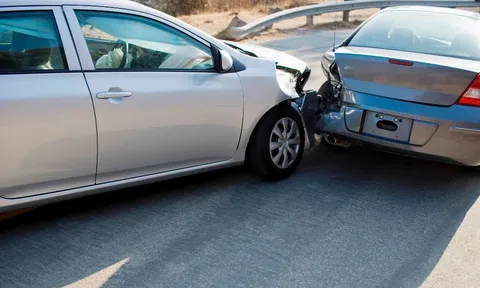
Being hit from behind while stopped at a red light, slowing for traffic, or driving on the highway is one of the most common — and most frustrating — types of car accidents. Most people assume that rear end collisions are simple cases: the driver who hit you is automatically at fault, insurance pays out, and the matter is settled. The reality is considerably more complicated.
Insurance companies aggressively contest rear end accident claims. They dispute injury severity. They assign partial fault to the front driver to reduce payouts. They use recorded statements against claimants. They make early settlement offers that cover current medical bills but ignore future treatment costs, lost wages, and pain and suffering.
If you were injured when another driver hit you from behind, working with an experienced accident lawyer who regularly handles rear end collision cases gives you the strongest possible position when dealing with these tactics. This guide covers everything you need to know.
Why Rear End Accidents Are More Legally Complex Than They Appear
A rear end accident lawyer handles cases where the seemingly obvious question of fault — the driver who hits from behind is at fault — quickly becomes complicated in the hands of an experienced insurance defense team.
Illinois, Texas, California, Georgia, and most other states follow comparative fault rules. Even when the rear driver bears primary responsibility, insurers routinely argue that the front driver contributed — by braking too suddenly, having malfunctioning brake lights, or performing an unexpected lane change. Every percentage of fault shifted to the front driver reduces the insurer’s payout.
Injury severity is frequently disputed. Rear end crashes produce whiplash injuries that may not produce obvious symptoms for 24 to 48 hours after the crash. Insurance companies routinely argue that these delayed symptoms mean the injury is not serious — or not connected to the crash at all.
Early settlement offers trap injured victims. Offers that arrive within days of the crash come before the full extent of injuries is known. Soft tissue injuries, disc herniations, and traumatic brain injuries from rear end crashes frequently require months of treatment and may cause permanent impairment. Accepting an early offer permanently releases all future claims.
A rear-end accident lawyer who handles these cases regularly knows every insurance company tactic and builds cases that counter them from the beginning.
How Common Are Rear End Accidents
According to the National Highway Traffic Safety Administration, rear end collisions are the single most common type of car accident in the United States, accounting for approximately 29% of all crashes annually. The NHTSA estimates that approximately 1.7 million rear end collisions occur each year, resulting in around 500,000 injuries and nearly 1,700 fatalities.
The most common contributing factors in rear end crashes include distracted driving — particularly smartphone use — following too closely, sudden stops in heavy traffic, poor weather conditions affecting stopping distances, fatigued drivers with slowed reaction times, and impaired drivers.
A rear end car accident lawyer who handles these cases knows which evidence best establishes which cause applied in your specific crash.
Who Is at Fault in a Rear End Accident
The general legal presumption is that the driver who rear ends another vehicle bears fault. Drivers have a legal duty to maintain a safe following distance and to be able to stop safely for foreseeable traffic conditions. Running into the back of a vehicle that braked normally is almost always evidence of negligence — following too closely, distracted driving, or both.
However, the legal presumption of rear driver fault can be rebutted in certain circumstances, and insurance companies know exactly how to attempt this.
Sudden and unexpected stops. If the front driver braked suddenly and unexpectedly for no apparent reason, creating conditions where even a properly following driver could not have stopped in time, the front driver may bear partial fault.
Malfunctioning brake lights. If the front vehicle’s brake lights did not work, the rear driver had no warning that braking was occurring. This shifts partial fault to the front driver — though it also potentially creates a claim against the vehicle’s manufacturer or maintenance provider.
Multi-vehicle chain reaction crashes. In a three-or-more vehicle rear end chain, the driver who initiated the chain — typically the rearmost driver — bears primary fault. But intermediate vehicles that were pushed forward into the front vehicle may bear some additional responsibility depending on the specific facts.
Sudden lane cuts. If a third vehicle cut sharply in front of the rear driver, creating a sudden unavoidable stopping situation, the cutting vehicle may bear significant fault.
A rear end accident attorney or rear-end accident attorney investigates every potentially contributing factor from the beginning of the case — building the strongest possible evidence foundation and countering any unfair fault assignment by the insurance company.
Common Injuries in Rear End Accidents
Rear end crashes produce a specific pattern of injuries related to the whipping motion of the head and neck during sudden deceleration. A rear-end car accident lawyer documents these injuries carefully because insurance companies consistently challenge their severity and connection to the crash.
Whiplash is the most common rear end injury. The sudden forward and backward motion of the head strains the soft tissues of the neck — muscles, ligaments, and tendons — causing pain, stiffness, limited range of motion, and headaches. Despite being dismissed by insurers as minor, serious whiplash injuries can cause chronic pain and disability lasting months or years.
Herniated discs occur when the force of a rear end impact compresses and ruptures the discs between vertebrae in the cervical or lumbar spine. Herniated discs cause radiating pain, numbness, and weakness that frequently requires surgery.
Traumatic brain injury can occur in rear end crashes even without direct head impact. The rapid acceleration-deceleration of the brain inside the skull during a rear end impact causes concussions and, in more severe cases, lasting TBI with cognitive and behavioral effects.
Facet joint injuries in the cervical spine produce chronic neck pain and stiffness that is frequently misdiagnosed as ordinary whiplash. These injuries require specific diagnostic imaging to identify.
Shoulder injuries including rotator cuff tears and AC joint injuries from the forces transmitted through the seatbelt and steering wheel during impact.
Broken bones in more severe rear end crashes — particularly wrist and arm fractures from bracing against the steering wheel, and rib fractures from seatbelt compression.
Psychological injuries including PTSD and anxiety disorders following serious rear end crashes are documented conditions that many states allow compensation for.
What Evidence Matters in a Rear End Accident Case
Building a strong rear end car accident attorney case requires gathering the right evidence quickly.
Dashcam footage from the rear driver’s vehicle or any nearby vehicle frequently captures rear end crashes clearly. This footage must be requested immediately — most dashcam systems record over older footage within hours or days.
Traffic camera and surveillance footage from nearby intersections and businesses may have captured the crash. Your attorney sends preservation requests to relevant agencies and businesses immediately.
The police crash report documents the officer’s assessment of fault and any citations issued. Errors in police reports can be challenged with additional evidence.
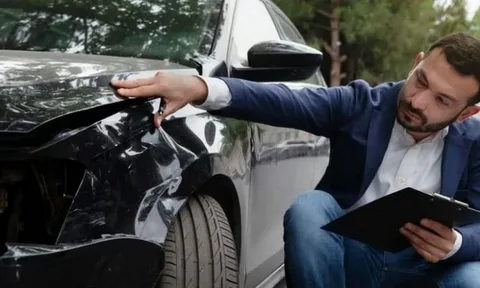
Vehicle damage analysis — the location and severity of damage on both vehicles establishes impact force and angle. Accident reconstruction experts use this analysis in disputed cases.
Electronic data from modern vehicles — many modern cars record pre-crash data including speed, braking, and acceleration through their event data recorders.
Medical records from the day of the crash — seeking medical attention the same day creates an unbroken evidentiary connection between the crash and your injuries. Gaps in treatment are the most common tool insurance companies use to challenge injury severity.
Witness statements from drivers, passengers, and bystanders who observed the crash or the rear driver’s behavior before impact.
What Compensation Is Available After a Rear End Accident
Economic damages cover all documented financial losses: emergency medical treatment, ongoing care including physical therapy, chiropractic treatment, specialist visits, prescription medications, lost wages from time missed at work, loss of future earning capacity if injuries are permanent, vehicle repair or replacement, and other accident-related expenses.
Non-economic damages cover the human impact: pain and suffering, emotional distress and anxiety, loss of enjoyment of life, and permanent impairment. Most states do not cap non-economic damages in standard car accident cases.
Punitive damages may be available when the at-fault driver’s conduct was especially reckless — street racing, extreme intoxication, aggressive road rage behavior.
Rear End Accident Settlement Ranges
| Injury Type | Typical Range |
| Soft tissue — whiplash, sprains | $15,000 to $75,000 |
| Disc herniation — no surgery | $50,000 to $150,000 |
| Disc herniation — surgery required | $100,000 to $500,000 |
| TBI or permanent impairment | $250,000 to $1,000,000+ |
Victims represented by a rear-end accident lawyer consistently recover more than those who negotiate directly with insurance companies, particularly in cases where injury severity is disputed.
Should I Get a Lawyer for a Rear End Accident
This is one of the most common questions people search after being hit from behind — and the honest answer is: in most cases, yes.
If you have injuries, even seemingly minor ones, you should consult a rear end accident lawyer. Whiplash and soft tissue injuries that seem minor at first frequently develop into serious conditions requiring months of treatment. An attorney evaluates whether the early settlement offer reflects the realistic cost of your full recovery — not just the first few weeks of treatment.
If the insurance company disputes fault, legal representation is essential. A rear-end accident attorney builds the objective evidence foundation that counters unfair fault assignments.
If the other driver’s insurer contacts you for a recorded statement, do not give one without speaking to an attorney first. These statements are used to minimize claims.
If you are offered a settlement that seems low, it almost certainly is. Early offers routinely represent a fraction of what a fully developed claim is worth.
When you do not need a lawyer: Very minor fender benders with no injuries, where the property damage is limited and no medical treatment is needed, may not warrant legal representation. An honest attorney will tell you this during a free consultation.
Rear End Accident Lawyers by City
Chicago rear-end accident lawyer / Rear end accident lawyer Chicago: Illinois follows a modified comparative fault rule — you can recover if you are less than 51% at fault. A chicago rear-end accident lawyer or rear end accident lawyer chicago handles Cook County cases and understands Illinois’s specific fault rules and statute of limitations.
Atlanta rear end accident lawyer: Georgia follows a 50% comparative fault bar. An atlanta rear end accident lawyer navigates Fulton and DeKalb County courts under Georgia’s two-year statute of limitations.
Cobb County rear-end car accident lawyer: A cobb county rear-end car accident lawyer handles cases in Marietta and surrounding Cobb County under Georgia law.
Rear-end accident lawyer Houston: Texas follows a 51% comparative fault bar. A rear-end accident lawyer houston handles Harris County cases under Texas’s two-year statute of limitations.
Rear end accident lawyer Las Vegas: Nevada follows a modified comparative fault rule. A rear end accident lawyer las vegas handles cases under Nevada’s two-year statute of limitations and its specific insurance requirements.
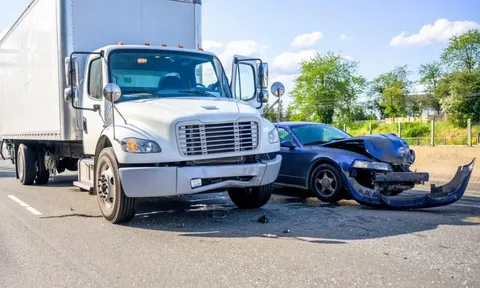
Rear end truck accident lawyer: When the vehicle that rear ends you is a commercial truck, the case involves FMCSA federal regulations, multiple potentially liable defendants, and specialized evidence like black box data. A rear end truck accident lawyer handles the additional complexity these cases require.
What to Do After a Rear End Accident
Call 911 and get a police report filed. An official crash report is the foundational document for your claim. Request the report number.
Get medical attention the same day. Whiplash and disc injuries frequently do not produce obvious symptoms for 24 to 48 hours. A same-day medical record connects any developing symptoms to the crash.
Photograph everything. Both vehicles from multiple angles, the crash scene, road conditions, traffic signals, and any visible injuries before vehicles are moved.
Collect all information. The other driver’s name, license, insurance, and vehicle registration. Witness names and contacts. Note any dashcam systems on vehicles nearby.
Do not give a recorded statement to the other driver’s insurer. You are not legally required to do so. Contact a rear end accident lawyer first.
Do not accept any early settlement offer without legal review. Early offers arrive before the full extent of injuries is known. Accepting permanently releases all future claims.
Frequently Asked Questions
What if the other driver claims I stopped suddenly?
Sudden stop claims are a common insurance defense tactic. A rear end accident lawyer counters them with dashcam footage, traffic camera records, witness statements, and vehicle damage analysis that establishes what actually happened.
How long do I have to file a rear end accident lawsuit?
It varies by state — typically two to three years. Contact a rear end accident attorney as soon as possible to confirm the exact deadline in your state.
What if my whiplash symptoms appeared a day or two after the crash?
This is completely normal — delayed onset of whiplash symptoms is well-documented medically. Seek medical attention as soon as symptoms appear and inform the treating physician that you were in a rear end crash. A rear-end car accident lawyer knows how to document the connection between the crash and delayed symptoms.
Should I accept the insurance company’s first offer after a rear end accident?
Almost certainly not. First offers arrive before the full extent of injuries is known and are almost always significantly lower than the true value of the claim. Have a rear end accident lawyer evaluate any offer before accepting.
What if a commercial truck rear ended me?
Commercial truck rear end cases involve FMCSA federal regulations, multiple potentially liable defendants, and specialized evidence including black box data and driver log records. A rear end truck accident lawyer handles the additional complexity these cases require.
What is the value of a rear end accident case with whiplash?
It depends on the severity and duration of the injury, medical documentation, impact on work and daily life, and available insurance coverage. Soft tissue cases without surgery typically range from $15,000 to $75,000. Cases involving disc injuries or surgery can reach six figures. A rear-end accident lawyers team evaluates your specific injuries and circumstances.
Can I get compensation if I was partially at fault for the rear end crash?
In most states, yes. Comparative fault rules allow you to recover compensation even with partial fault — your award is reduced by your percentage of fault. Only if your fault exceeds 50% or 51% depending on the state does recovery become barred. A rear end accident attorneys team works to accurately establish fault.
Does it matter if the rear driver was texting?
Yes — significantly. Texting while driving is a primary traffic offense in most states. Evidence of phone use at the time of impact — obtainable through phone records — establishes distracted driving negligence and may support punitive damage claims in some states.
How do I find a rear end accident lawyer near me?
Search specifically for attorneys who handle car accident cases, not just general personal injury. Look for a rear end accident lawyer near me with experience in rear end collision cases, who offers free consultations, and who works on contingency. Most offer free initial consultations with no obligation.
Checklist After a Rear End Accident
- Call 911 and get a police report filed
- Get medical attention the same day — even if symptoms seem minor
- Photograph both vehicles, the scene, and your injuries
- Collect all driver, insurance, and witness information
- Note any dashcam systems in the area
- Do not give recorded statements to any insurance company
- Do not accept any early settlement offer without legal review
- Contact a rear end accident lawyer for a free consultation
Conclusion
Rear end accidents look straightforward from the outside but involve real legal complexity once insurance companies engage their defense teams. Comparative fault arguments, injury severity disputes, and early low settlement offers are standard tactics that cost unrepresented victims significant compensation.
A rear end accident lawyer who handles these cases regularly knows how to build objective evidence, document injuries properly, counter fault assignment tactics, and pursue the full value of what you deserve. Whether you need a rear-end accident lawyer after a highway crash, a chicago rear-end accident lawyer, an atlanta rear end accident lawyer, a rear-end accident lawyer houston, or a rear end truck accident lawyer for a commercial vehicle collision — most work on contingency and offer free consultations.
A rear end car accident lawyer who handles these cases gives you the strongest possible position against insurance companies that profit from unrepresented victims accepting less than their claims are worth.
Nothing in this article constitutes legal advice. Please consult a licensed personal injury attorney for guidance specific to your situation.