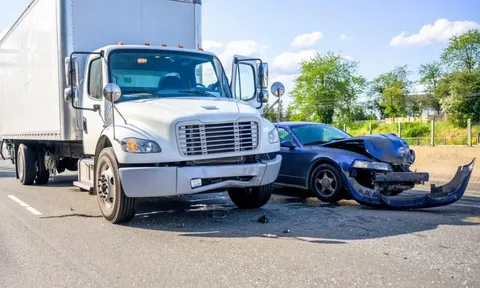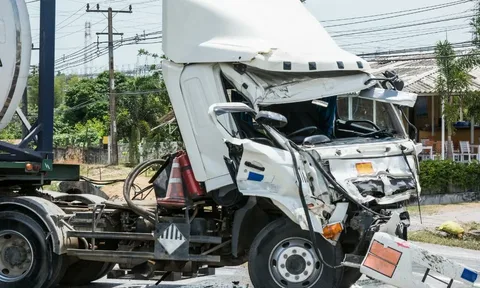

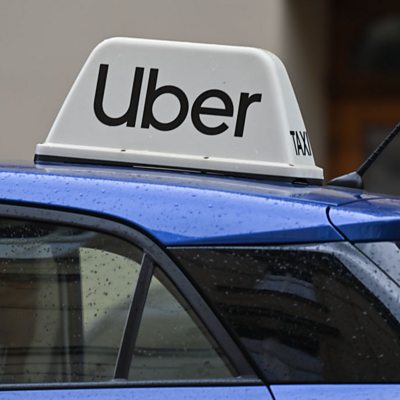
Rideshare apps like Uber and Lyft have changed how millions of Americans get around every day. Most rides go without incident. But when something does go wrong, the legal situation is considerably more complicated than a standard car accident. Insurance coverage depends on what the driver was doing at the exact moment of the crash. Liability can be disputed between multiple parties. And the rideshare companies themselves have teams of lawyers and insurance adjusters working to minimize what they pay out.
If you or someone you love was injured in an Uber or Lyft accident, whether as a passenger, a pedestrian, or another driver, understanding how these cases actually work is an important first step.
This guide covers what an uber accidents lawyer does, how rideshare insurance works, who can be held liable, and what the claims process looks like. Everything here is general information only. It is not legal advice. Laws vary significantly by state, and anyone seriously injured should speak with a licensed attorney as soon as possible.
Why Uber and Lyft Accident Cases Are More Complicated
Most people assume that an Uber accident works the same way as any other car accident. File a claim, negotiate a settlement, move on. The reality is more complicated, and the complications tend to work against injured people who try to navigate them alone.
The core issue is how Uber and Lyft structure their insurance coverage. Both companies classify their drivers as independent contractors rather than employees. This classification has significant legal consequences. It means Uber and Lyft routinely argue they are not directly liable for driver behavior, that the driver’s personal insurance is the primary coverage, and that the company’s commercial policy only kicks in under specific circumstances.
Those circumstances depend entirely on what phase of the ride the driver was in when the accident occurred. Understanding the three coverage periods is essential to understanding any Uber or Lyft accident claim.
How Uber and Lyft Insurance Works: The Three Periods
This is one of the most important things to understand in any rideshare accident case. The insurance coverage available to an injured person changes dramatically depending on the driver’s status in the app at the moment of the crash.
Offline (App Turned Off)
If the driver was not logged into the Uber or Lyft app at all when the accident happened, the rideshare company’s insurance does not apply. The driver’s personal auto insurance is the only coverage available. Personal policies often exclude commercial use of the vehicle, which can create significant problems for injured parties.
Period 1: App On, No Ride Accepted
The driver is logged in and available but has not yet accepted a ride request. In this period, Uber and Lyft provide limited liability coverage, typically around $50,000 per person injured, $100,000 per accident, and $25,000 for property damage. This coverage applies only if the driver’s personal insurance does not cover the claim. It is often insufficient for serious injuries.
Period 2 and 3: Ride Accepted or Passenger in Vehicle
Once a driver accepts a ride request (Period 2) or has a passenger in the vehicle (Period 3), both Uber and Lyft provide up to $1 million in commercial liability coverage, plus $1 million in uninsured and underinsured motorist coverage.
| Driver Status | Coverage Available |
| App Off | Personal insurance only |
| App On, No Ride | Limited: $50K per person, $100K per accident |
| Ride Accepted or Passenger In Car | $1 million commercial liability |
The problem in many cases is establishing which period the driver was in. Rideshare companies control access to this data, and they do not always share it voluntarily. A rideshare accident lawyer knows how to obtain this information through legal channels and build the claim accordingly.
Who Can Be Held Liable in an Uber Accident?
Liability in rideshare accident cases is rarely straightforward. Multiple parties may share responsibility depending on the facts.
The Uber or Lyft Driver
If the driver’s negligence caused the crash, whether through distracted driving, speeding, running a red light, or any other reckless behavior, they are potentially liable. Because of the independent contractor classification, pursuing them personally is often part of the claim.
Uber or Lyft Directly
While both companies argue they are not employers and therefore not responsible for driver conduct, this argument has limits. Courts in several states have challenged the independent contractor classification, and in some cases the companies have been held directly liable. California’s AB5 law, for example, created significant new complexity around how rideshare drivers are classified.
Another Driver
In many Uber accidents, a third-party driver caused the crash, not the Uber driver. In these situations, the at-fault driver’s insurance is the primary source of compensation. Uber’s uninsured and underinsured motorist coverage may apply if that driver has no insurance or insufficient coverage.
A Vehicle Manufacturer
If a defective part contributed to the accident, such as faulty brakes or a tire blowout, a product liability claim against the manufacturer may be available in addition to the standard negligence claim.
Identifying all potentially liable parties is one of the key reasons why working with an uber accident attorney from the start makes a meaningful difference. Missing a defendant can mean leaving significant compensation on the table.
Who Can File an Uber Accident Claim?
The answer is broader than most people realize. Rideshare accident claims are not limited to passengers inside the Uber vehicle.
Uber Passengers
If you were riding in an Uber when the crash happened, you may have a claim against the Uber driver, another at-fault driver, or both. The $1 million policy applies if the ride was accepted.
Pedestrians and Cyclists
If an Uber vehicle struck you while you were walking or cycling, you have the same rights as anyone else hit by a negligent driver. The applicable coverage depends on the driver’s status in the app at the time.
Other Drivers
If an Uber driver caused a crash that injured you while you were in your own vehicle, you can file a claim against the driver and potentially against Uber’s commercial insurance policy depending on the period.
Uber Drivers Themselves
In accidents that were not the Uber driver’s fault, the driver may also have a claim. This area is particularly complex given the employment classification issues, but options exist, particularly when another driver caused the crash.
What to Do After an Uber or Lyft Accident
The steps you take immediately after a rideshare crash can significantly affect the strength of any future claim.
Call 911 right away. Make sure police respond and a report is filed. Get the report number before leaving.
Seek medical attention as soon as possible. Even if you feel fine, get checked out. Some injuries, particularly internal trauma and head injuries, do not present symptoms immediately. A medical record created close to the time of the accident is also important evidence.
Screenshot the Uber or Lyft app. This preserves a record of the ride, the driver’s information, and the trip details. This can be critical evidence for determining which insurance period applies.
Photograph everything at the scene. Both vehicles, the road conditions, any visible injuries, traffic signals, and nearby signage.
Get witness contact information. Eyewitness accounts matter, especially when liability is disputed.
Do not speak to Uber’s or Lyft’s insurance representatives without legal counsel. Both companies have experienced adjusters whose job is to limit payouts. A single statement made without representation can significantly damage a claim.
Contact a lawyer for uber accident claims as soon as possible. Evidence can disappear quickly, and some legal deadlines are shorter than people expect.
How the Claims Process Works
Rideshare accident claims generally follow a similar path, though the specific timeline and complexity depend on the facts.
A free initial consultation is the starting point. You describe what happened, the attorney evaluates the claim, and both sides decide whether to proceed.
Investigation comes immediately. The attorney secures the Uber trip data, driver status information, police report, medical records, and witness accounts. In cases where Uber or Lyft controls relevant data, legal preservation demands are sent right away.
Once the full picture of damages is clear, the attorney sends a formal demand to the appropriate insurance carrier. In rideshare cases, this may involve the driver’s personal insurer, Uber’s commercial insurer, and potentially another driver’s insurance, all at the same time.
Negotiations follow. Most rideshare accident cases settle during this phase. If a fair offer is not made, the attorney files a lawsuit and prepares for trial.
What Compensation May Be Available
The types of compensation available depend on the state, the severity of injuries, and the specifics of what happened. Here is a general overview.
| Type of Compensation | What It Covers |
| Medical Expenses | Emergency care, hospitalization, surgery, and ongoing treatment |
| Future Medical Costs | Long-term care for serious or permanent injuries |
| Lost Wages | Income missed during recovery |
| Loss of Earning Capacity | If injuries affect ability to return to the same work |
| Pain and Suffering | Physical pain resulting from the accident and injuries |
| Emotional Distress | PTSD, anxiety, depression, and psychological effects |
| Property Damage | Vehicle repair or replacement |
| Wrongful Death | For families who lost someone in a fatal rideshare accident |
Because rideshare accidents often involve larger insurance policies than standard car accidents, the potential compensation available can be substantial in serious injury cases.
Uber vs. Lyft: Are the Claims Different?
The process for uber & lyft accident claims is broadly similar. Both companies use the same three-period insurance structure. Both classify drivers as independent contractors. Both have commercial policies that provide up to $1 million in coverage when a ride is active.
The main differences are procedural. Each company has its own claims process and its own insurance carriers. An experienced uber & lyft accident lawyer knows how to navigate both systems and will pursue all available coverage regardless of which platform the driver was using.
Rideshare Accident Statistics in the United States
Rideshare usage has grown dramatically over the past decade, and accident data has grown alongside it. According to research published in peer-reviewed journals, the introduction of rideshare services has been associated with an increase in fatal traffic accidents in cities where they operate, primarily because of the increased vehicle miles traveled by drivers working for the platforms.
Uber’s own safety reports have acknowledged thousands of accidents annually across the United States. The most recent data covers millions of trips and documents crashes resulting in serious injuries and fatalities. Cities with the highest rideshare usage, including Los Angeles, New York, Chicago, and major metros across the South and Southwest, see the highest volumes of rideshare accident claims.
Houston is one of the busiest rideshare markets in the country given its size and spread-out geography. Atlanta sees high rideshare volume particularly around the airport and entertainment districts. Las Vegas is notable for its high concentration of rideshare trips late at night in high-traffic entertainment areas. Dallas, Los Angeles, and San Diego all rank among the highest-volume rideshare markets nationally.
What to Look for in an Uber Accident Lawyer
Not all personal injury attorneys have experience with rideshare accident cases specifically. These cases require understanding of the three-period insurance system, knowledge of how to obtain trip data from the rideshare companies, and familiarity with the evolving legal landscape around driver employment classification.
Look for an attorney who specifically handles rideshare accident cases, not just general car accident work. Ask whether they have experience dealing with Uber’s and Lyft’s insurance carriers.
A free consultation and contingency fee structure are standard. Use the initial meeting to assess communication quality and whether the attorney understands the specific complexities of rideshare cases.
Whether you need a houston uber accident lawyer, an atlanta uber accident lawyer, a las vegas uber accident lawyer, an uber accident lawyer los angeles, a dallas uber accident lawyer, or a san diego uber accident lawyer, finding someone with specific rideshare experience gives you the best chance of a fair result.
Frequently Asked Questions
Can I sue Uber directly after an accident?
It depends on the circumstances. Uber classifies its drivers as independent contractors and typically argues it is not directly liable for driver conduct. However, courts in several states have challenged this classification, and there are situations where direct liability against Uber may apply. An uber accident attorney can evaluate whether a direct claim against the company makes sense in your specific situation.
What if the Uber driver was offline when the accident happened?
If the driver was not logged into the app at all, Uber's insurance does not apply. The driver's personal auto insurance is the only available coverage. Personal policies often exclude commercial use, which can severely limit available compensation. An attorney can help identify all potential sources of recovery.
How long do I have to file an Uber accident claim?
It depends on your state. Most states allow two to three years from the date of the accident for personal injury claims. However, if a government vehicle was involved, notice deadlines can be much shorter, sometimes as little as six months. Contacting a rideshare accident lawyer as soon as possible after the crash is always the safest approach.
What if I was a passenger and the Uber driver caused the accident?
As a passenger in an active ride, you are covered by Uber's $1 million commercial policy. You can file a claim against the Uber driver and through Uber's insurance carrier. An uber car accident lawyer can guide you through the process and ensure all available coverage is pursued.
What if another driver caused the accident while I was riding in an Uber?
The at-fault driver's insurance is the primary source of compensation. If that driver has no insurance or insufficient coverage, Uber's $1 million uninsured and underinsured motorist coverage may apply. Your attorney will identify all available insurance sources.
How much is an Uber accident case worth?
It depends on the severity of injuries, medical costs, lost income, pain and suffering, and the available insurance coverage. Rideshare accidents often involve larger insurance policies than standard car accidents, which can mean higher potential compensation in serious injury cases. An attorney can give you a realistic assessment after reviewing the specific facts.
How do I find a rideshare accident lawyer near me?
Look specifically for attorneys who handle Uber and Lyft accident cases rather than just general car accidents. Check reviews and bar standing. Use the free consultation to assess communication and experience with the specific complexities of rideshare cases. Whether you need a uber accident law firm in a major city or a smaller market, that initial conversation tells you a great deal.
Important Information About This Article
Everything written here is for general informational and educational purposes only. Nothing in this article constitutes legal advice, and reading it does not create any kind of attorney-client relationship. Rideshare accident laws differ significantly from state to state, and the right course of action in any individual situation depends on specific facts that only a licensed attorney can properly evaluate. If you or someone you know has been injured in an Uber or Lyft accident, consulting with a qualified attorney as soon as possible is strongly recommended.