
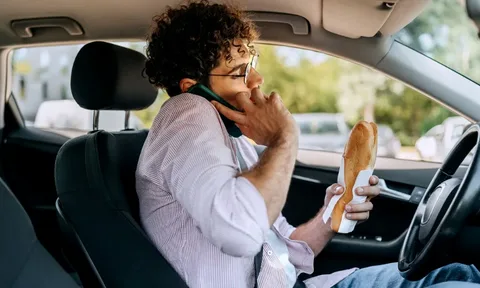
Every day, thousands of drivers make the choice to look at their phones, eat behind the wheel, or let their attention drift somewhere other than the road. Most of the time, nothing happens. But when it does — when a distracted driver misses a red light, fails to brake for stopped traffic, or drifts into another lane — the consequences land entirely on the people around them.
If you were injured by a distracted driver, you already know how much damage a few seconds of inattention can cause. You deserve compensation for what happened, and a distracted driving accident lawyer who knows how to build these cases can make all the difference in what you recover.
This guide covers everything you need to understand — from what legally qualifies as distracted driving to how evidence is gathered, how negligence is proved, and what your claim may actually be worth. But before any of that, speaking with an experienced accident lawyer is the most important step you can take.
What Is Distracted Driving — Legally Speaking
Distracted driving is defined as any activity that diverts a driver’s attention away from the primary task of operating a vehicle. The National Highway Traffic Safety Administration categorizes driver distraction into three distinct types, and understanding these categories matters because they directly affect how a distracted driving accident attorney builds a negligence case.
Visual distraction takes the driver’s eyes off the road. Reading a text message, looking at a GPS screen, or turning to look at a passenger are all visual distractions. At 55 miles per hour, five seconds of visual distraction means the vehicle travels the length of a football field without the driver watching the road.
Manual distraction takes the driver’s hands off the steering wheel. Reaching for a phone, adjusting the radio, eating, or applying makeup while driving are manual distractions that compromise the driver’s ability to control the vehicle in an emergency.
Cognitive distraction takes the driver’s mental focus away from driving, even when their eyes are forward and hands are on the wheel. A driver absorbed in a heated phone conversation — even a hands-free one — processes significantly less of what is happening visually around them.
What makes smartphone use so dangerous is that it combines all three types simultaneously. A driver texting while driving is looking at a screen, handling a device, and thinking about a conversation instead of focusing on the road.
The Scale of Distracted Driving in the United States
The statistics are sobering. According to the National Highway Traffic Safety Administration’s most recent data, distracted driving crashes caused 3,275 deaths in 2023 — representing 8% of all traffic fatalities that year. An estimated 324,918 people were injured in distraction-affected crashes during the same period.
The National Safety Council reports that in 2023, cell phone use accounted for 12% of all fatal distracted driving crashes. A study by the AAA Foundation for Traffic Safety found that drivers experience a mental “hangover” that keeps them cognitively distracted for up to 27 seconds after finishing a phone call or text — meaning even a brief phone interaction creates extended impairment.
Research published in the Proceedings of the National Academy of Sciences found that 68% of crashes involved some form of observable distraction. LexisNexis Risk Solutions data shows that distracted driving violations rose by 48% during the first six months from 2023 to 2024, with drivers ages 16 to 45 accounting for 72% of violations.
These numbers establish something crucial for injury victims: distracted driving is not an accident in any meaningful sense. It is a choice that drivers make, and when that choice injures another person, it creates liability.
Common Types of Distracted Driving That Cause Accidents
A distracted driving attorney investigates the specific distraction that caused the crash, because the type of distraction affects what evidence is available and how liability is established.
Texting and smartphone use is the most documented and most legally actionable form of distracted driving. Cell phone records can show exactly when a driver was texting, browsing social media, or using an app in relation to the crash. Many states have enacted specific texting and driving laws that create a legal presumption of negligence when a driver was using a phone.
Social media scrolling and video watching while driving has become increasingly common. Drivers stream videos, scroll TikTok, or browse Instagram behind the wheel. This is visual, manual, and cognitive distraction at its most extreme.
GPS and navigation system use causes crashes when drivers type destinations while moving, continue driving while staring at turn-by-turn directions, or become confused and make sudden stops or turns.
Eating and drinking while driving is one of the most common forms of distraction that drivers do not take seriously. Opening packaging, managing a hot drink, or reaching for food in the passenger seat takes both eyes and hands away from driving at critical moments.
Phone calls — even hands-free — have been shown to impair driving performance. Research indicates that hands-free calls cause the same cognitive distraction as handheld calls because the mental processing load is the same.
In-car entertainment and climate controls on modern touchscreen displays require visual and manual interaction to operate. Studies show drivers spend significantly more time looking at these screens than older control systems required.
Passengers and children in the vehicle create distraction when drivers turn around, pass objects to the back seat, or engage in distracting conversations.
Drowsy driving is sometimes categorized alongside distraction because the cognitive impairment of fatigue produces similar effects — reduced attention, slower reaction times, and failure to process visual information properly.
A distracted driver accident lawyer will investigate all potential sources of distraction through evidence, not assumption.
How Evidence Is Gathered in Distracted Driving Cases
Proving that a driver was distracted at the moment of impact is one of the central challenges in these cases. Insurance companies defending at-fault drivers almost never admit that distraction caused the crash. An experienced distracted driving accident attorney knows where to look for evidence and how to preserve it before it disappears.
Cell phone records are among the most powerful evidence available in distracted driving cases. A subpoena to the driver’s carrier can reveal exactly what calls were made, what texts were sent or received, and what apps were active in the moments before the crash. This data includes timestamps that can be compared directly with the time of the accident.
Electronic data recorders (EDRs) — sometimes called black boxes — are installed in most modern vehicles. They record speed, braking behavior, steering input, and other data in the seconds before a crash. When a driver was distracted and did not brake before impact, the EDR will show zero braking activity even though conditions gave ample time and distance to stop. This absence of reaction is itself evidence of inattention.
Traffic camera and surveillance footage may capture the driver looking down at a device, failing to react to changing conditions, or drifting in the lane before the crash. Attorneys send preservation requests immediately because this footage is often overwritten within days.
Witness statements from other drivers, passengers, or bystanders who saw the at-fault driver using a phone or behaving inattentively provide independent corroboration.
Police and accident reports sometimes document observations of phone use or the driver’s statements at the scene. Officers may note that the driver admitted to being distracted, or that they found a phone in hand or a screen active at the time of the crash.
Social media records can show that a driver was posting, commenting, or messaging on social platforms at the time of the crash.
A distracted driver accident law firm that regularly handles these cases knows how to obtain all of this evidence through subpoenas, preservation letters, and expert-assisted analysis.
Proving Negligence in a Distracted Driving Case
Every personal injury claim rests on four elements of negligence: duty, breach, causation, and damages. A distracted driving lawyer builds the case around each of these elements.
Duty is established simply: every driver has a legal duty to operate their vehicle with reasonable care, maintain attention to the road, and avoid creating foreseeable risks of harm to others.
Breach is the distracted behavior itself. A driver who was texting, scrolling, eating, or otherwise inattentive at the moment of the crash has breached that duty. Evidence of the specific distraction — phone records, video footage, witness accounts — establishes the breach.
Causation connects the breach to the crash. This is where many cases face their most significant challenge. It is not enough to show a driver was generally distracted — you must show they were distracted at the specific moment of impact and that this distraction caused the crash. EDR data showing zero braking, combined with cell phone records showing activity at crash time, creates a powerful causation argument.
Damages are the actual losses suffered — medical bills, lost wages, pain and suffering, and all other consequences of the crash.
A distracted driver attorney who has handled these cases builds this framework systematically, using the available evidence to tell a clear and compelling story of what the driver chose to do and what that choice cost the victim.
Distracted Driving Laws by State — A National Overview
Laws addressing distracted driving, particularly cell phone use, vary significantly by state. Understanding the legal landscape in your state affects how your claim is built and what legal standards apply.
| State | Handheld Ban | Texting Ban | Penalty Range |
| California | Yes | Yes | $20–$50 base + fees |
| Texas | Yes (texting) | Yes | Up to $200 |
| Florida | Yes (primary) | Yes | $30–$60 |
| New York | Yes | Yes | $50–$450 |
| Illinois | Yes | Yes | $75–$150 |
| Georgia | Yes | Yes | $50–$150 |
| Pennsylvania | No (handheld allowed) | Yes | $50 |
| Ohio | Yes (2023) | Yes | $150 |
| Virginia | Yes | Yes | $125–$250 |
| Washington | Yes | Yes | $136–$235 |
In states where handheld phone use is banned as a primary offense, a traffic violation at the time of the accident significantly strengthens a civil negligence claim. Per se negligence — where a statutory violation establishes negligence as a matter of law — may apply in some jurisdictions.
A distracted driving accident lawyers team familiar with your state’s specific laws will know how to use these statutes in building your claim.
Teen and Young Driver Distraction — A Special Concern
Drivers ages 16 to 24 are disproportionately involved in distracted driving crashes. The combination of relative inexperience, developing impulse control, and heavy smartphone use creates elevated risk.
Among teen drivers, texting while driving is six times more likely to result in a crash than driving under the influence of alcohol. The AAA Foundation for Traffic Safety has found that distraction is present in nearly six out of ten moderate-to-severe teen crashes.
When a teen driver causes a crash while distracted, liability claims typically run against the driver and may also involve the vehicle owner — often a parent — under negligent entrustment theories in many states. A distracted driver lawyers team evaluates all potentially liable parties, not just the driver.
What Compensation Can You Recover After a Distracted Driving Crash
The compensation available to you depends on the severity of your injuries, the clarity of fault, and the insurance coverage available. Two main categories of damages apply.
Economic damages cover documented financial losses. These include emergency medical treatment and hospitalization, ongoing care including physical therapy, specialist visits, and surgery, prescription medications and medical equipment, lost wages from time missed at work, loss of future earning capacity if injuries are permanent, vehicle repair or replacement, and other out-of-pocket accident-related expenses.
Non-economic damages cover the human impact beyond the financial. They include pain and suffering, emotional distress including PTSD and anxiety, loss of enjoyment of life, disfigurement from scarring, and loss of consortium for spouses of seriously injured victims.
Punitive damages may be available in cases where the driver’s conduct was especially reckless — for example, a driver who was streaming video while driving at highway speeds or whose BAC showed they were also impaired. These damages are not available in every case but significantly increase the total recovery when they do apply.
What Do Distracted Driving Settlements Look Like
| Injury Severity | Typical Settlement Range |
| Minor injuries — quick recovery | $10,000 to $50,000 |
| Moderate injuries — surgery or extended treatment | $75,000 to $200,000 |
| Serious injuries — permanent impact | $250,000 to $1,000,000+ |
| Catastrophic — TBI or spinal cord | $1,000,000+ |
Victims represented by a distracted driving accident lawyer consistently recover more than those who negotiate directly with insurance companies without legal help.
How Insurance Companies Handle Distracted Driving Claims
Insurance companies defending drivers who cause distracted driving crashes use predictable tactics. Understanding these tactics helps victims avoid the mistakes that reduce their compensation.
Denying distraction entirely. Without a direct admission or immediate police observation, insurers routinely argue there is no proof the driver was distracted. This is why cell phone records, EDR data, and witness statements matter so much — they provide objective proof that does not depend on the driver’s self-reporting.
Early settlement offers before the full extent of injuries is known. Accepting any settlement before your medical condition has stabilized permanently closes your claim. Injuries that appear minor at first can develop into chronic conditions requiring long-term treatment.
Recorded statement requests. Adjusters call quickly after accidents to gather statements. These are not conversations — they are evidence-collection exercises designed to find inconsistencies or get you to minimize your injuries. Speak with a distracted driving accident attorney before making any recorded statements.
Assigning comparative fault. Insurers look for any way to claim the victim contributed to the crash. In most states, even partial fault assigned to the victim reduces the compensation they can recover. In modified comparative fault states, being found more than 50% at fault eliminates recovery entirely.
A distracted driver accident lawyers firm handles all of these situations by managing communications, building the strongest possible evidence foundation, and making clear that the claim will be pursued through litigation if necessary.
What to Do After a Distracted Driving Accident
The steps you take immediately after the crash directly affect the strength of your claim.
Call 911 and stay at the scene. A police report documents the crash officially. If officers observe evidence of phone use — a phone in hand, an active screen, the driver’s own statements — it will be noted.
Seek medical attention the same day. Even if injuries seem minor, see a doctor immediately. Some of the most serious injuries from car crashes — including traumatic brain injuries and spinal injuries — do not produce obvious symptoms right away. A same-day medical record creates an unbroken chain between the crash and your injuries.
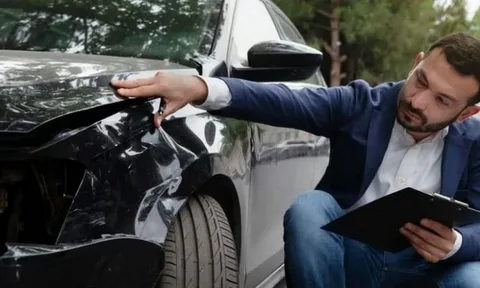
Photograph everything at the scene. Capture all vehicles from multiple angles, road conditions, skid marks (or their absence), traffic signals, and any visible injuries. If the other driver’s phone was visible, photograph it if you can safely do so.
Do not apologize or discuss fault. Do not speculate about what happened or admit any responsibility. These statements can be used to assign comparative fault.
Write down everything you observed. Did you see the other driver looking down? Did they appear not to react before impact? Were there any witnesses? Write these observations as soon as possible while memory is fresh.
Do not give a recorded statement to the other driver’s insurer. You are not legally required to do so. Contact a distracted driving accident lawyer near me before speaking with any insurance company.
Contact an attorney before accepting any settlement. Early offers are almost always below fair value. Once accepted, they cannot be reversed.
Frequently Asked Questions
What if the police report does not mention distracted driving?
A police report that does not specifically note distracted driving does not prevent you from pursuing a claim based on distraction. Officers must document what they observe directly, but a distracted driving accident attorney can gather the additional evidence that establishes distraction independently of the police report.
Can I still recover compensation if I was partly at fault?
In most states, yes. Pure comparative fault states allow recovery regardless of your percentage of fault — your award is simply reduced by your percentage of responsibility. Modified comparative fault states allow recovery only if you are no more than 50% or 51% at fault, depending on the state. A distracted driving lawyer will work to accurately establish fault and push back against unfair blame assignments.
What if the driver denies being distracted?
Drivers almost always deny distraction. That is why physical evidence — cell phone records, EDR data, video footage, and witness statements — matters so much in these cases. The driver's denial does not prevent a successful claim when objective evidence tells a different story.
How long do I have to file a claim?
Every state has a statute of limitations that sets a deadline for filing a personal injury lawsuit. Most states give accident victims between one and three years from the date of the crash. Missing this deadline permanently eliminates the right to compensation. Contact a distracted driving accident lawyer near me promptly to confirm the deadline in your state.
What is a cell phone accident lawyer?
A cell phone accident lawyer handles cases specifically involving distracted drivers who were using smartphones, texting, or interacting with apps at the time of the crash. These cases involve specific evidence — cell phone records, carrier subpoenas, app usage data — that general personal injury attorneys may not be familiar with obtaining.
Does it matter which state the accident happened in?
Yes, significantly. State laws affect the applicable statute of limitations, the comparative fault rules, whether distracted driving violations create per se negligence, and other procedural matters. An atlanta distracted driving accident lawyer handles Georgia-specific rules, while a houston distracted driving accident lawyer navigates Texas law. Work with an attorney licensed in the state where the crash occurred.
What if a truck driver was distracted?
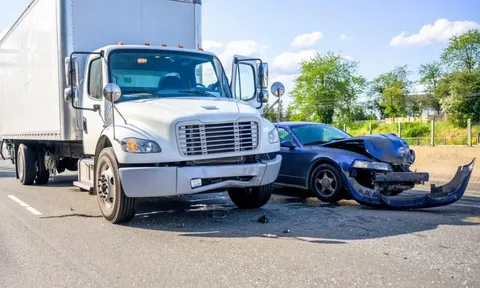
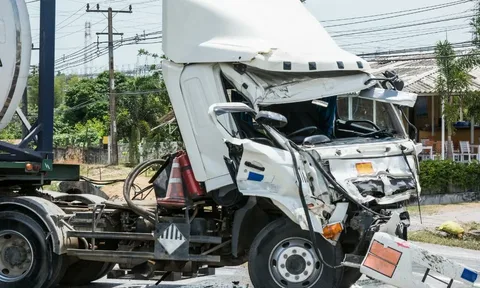
Commercial truck drivers are subject to Federal Motor Carrier Safety Administration regulations that prohibit handheld phone use and texting while operating a commercial vehicle. Violations of FMCSA rules can support stronger negligence arguments than a standard driver distraction claim. A distracted driver truck accident lawyer handles the additional complexity these cases involve, including corporate defendant liability.
How much does a distracted driving accident lawyer cost?
Most distracted driving accident lawyers work on contingency — no upfront fees and no payment unless the case results in compensation. The fee is a pre-agreed percentage of the recovery, typically 33% to 40%. There is no financial risk in getting a consultation and no cost if the case does not succeed.
What if I need a distracted driving accident lawyer near me?
Most personal injury attorneys who handle distracted driving cases offer free initial consultations and can often meet at your home or hospital if serious injuries make travel difficult. When searching for a distracted driving accident lawyer near me, look for attorneys who specifically list distracted driving or car accident cases among their regular practice areas.
Action Checklist for Distracted Driving Accident Victims
- Get medical attention immediately — same day if possible
- File a police report if one was not completed at the scene
- Photograph all vehicles, road conditions, and visible injuries
- Note any witnesses and collect their contact information
- Write down what you observed about the other driver’s behavior
- Do not give recorded statements to any insurance company
- Do not accept any settlement offer without legal review
- Do not post about the accident or your injuries on social media
- Contact a distracted driving accident lawyer near me for a free consultation
Conclusion
A distracted driver’s choice to look at a phone, eat, or zone out while behind the wheel can change another person’s life in an instant. When that happens, the victim deserves full compensation — not what an insurance company is willing to offer before the full extent of the injuries is known.
A distracted driving accident lawyer who regularly handles these cases knows how to find the evidence that proves distraction, build the negligence case that insurers cannot easily dispute, and negotiate the settlement that reflects the true cost of what happened to you.
Whether you were hit by a driver who was texting, scrolling social media, eating, or simply not paying attention, your rights are the same. Most distracted driving accident lawyers offer free consultations and work on contingency. There is no cost to find out where you stand.
Nothing in this article constitutes legal advice. For guidance specific to your situation, please consult a licensed personal injury attorney in your area.